Grassroots · Community-led · Northern West Bank

Solidarity is not
a charity.
It is a practice.

Rooted in the Northern West Bank

Wa'ad is a community fund working in solidarity with Palestinian families and students in the Northern West Bank. Support flows directly to communities, through the local organisations already serving them. Palestinian partners lead this work. Wa'ad ensures they have the resources they need.
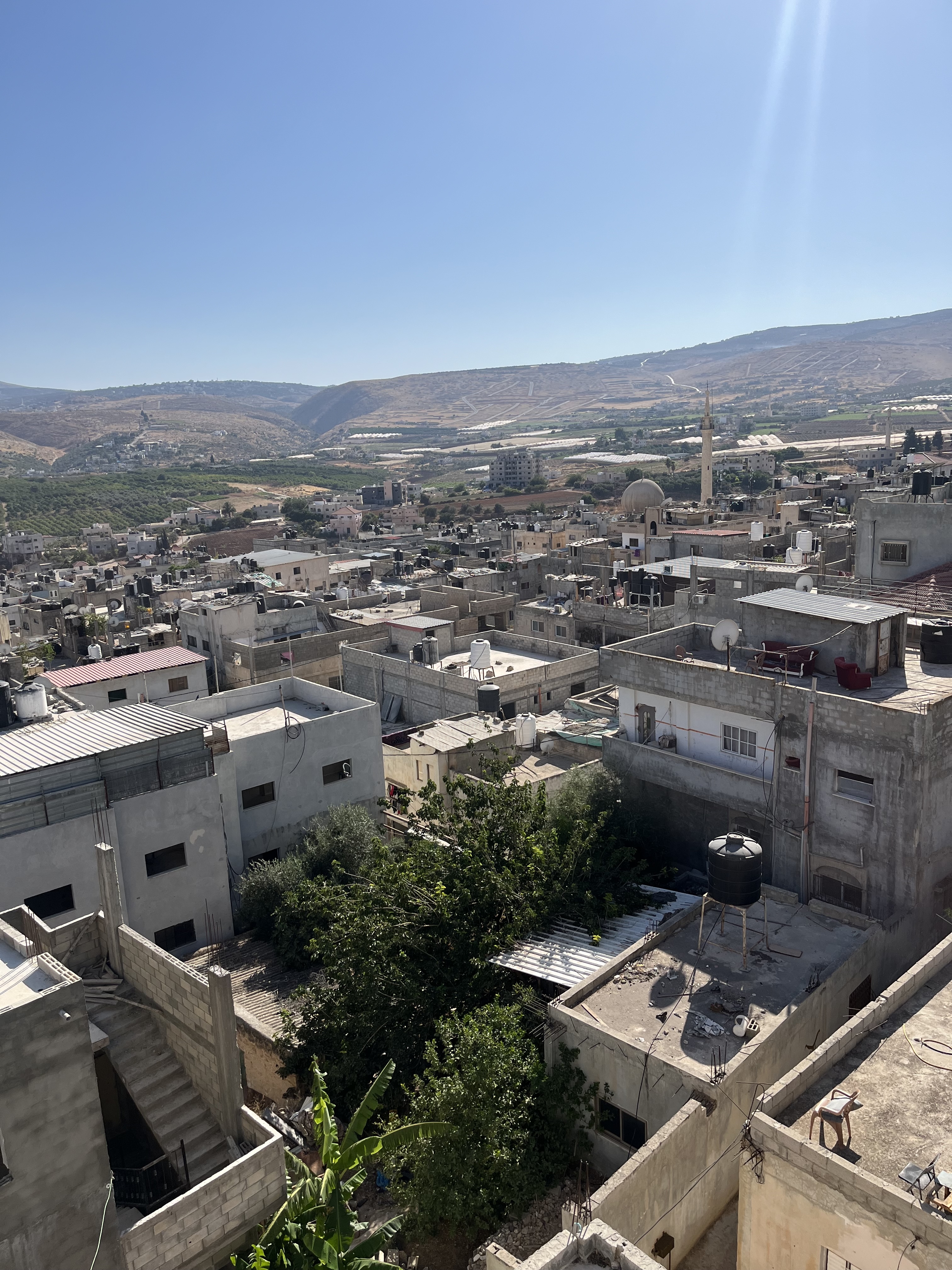
Northern West Bank landscape
Northern West Bank

The displacement of Palestinians is not an accident or humanitarian failure.

It is a deliberate strategy of attrition, trying to make life itself impossible.

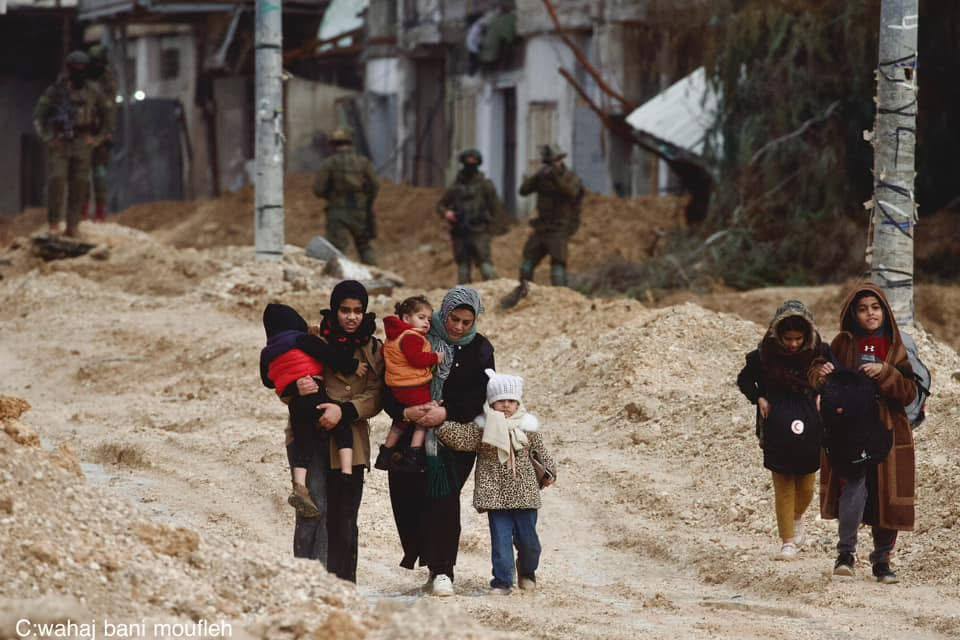
Since January 2025, 54,000 Palestinians have been violently expelled from the refugee camps of Tulkarem, Nur Al-Shams, and Jenin. They are not merely residential areas. They are a living archive of the Nakba, of displacement, of the refusal to accept the occupation of historic Palestine, and of the legal right of return that has not been forfeited.

That is why they are targeted.

The strategy is attrition: demolishing homes, destroying infrastructure, strangling the local economy. The goal is to exhaust people until they leave or lose the will to stay.

Women and female students carry the heaviest burden. Keeping them fed, educated, and rooted in their land is an act of resistance.

Named for a daughter
we carry forward.

Wa'ad (وعد) means promise in Arabic. Our organisation is named after the daughter of one of our recipients, a woman displaced from Beit Lahia, Gaza, to Nablus. Her daughter Wa'ad lived only a few hours. With her mother's blessing, we carry out this work in her name.

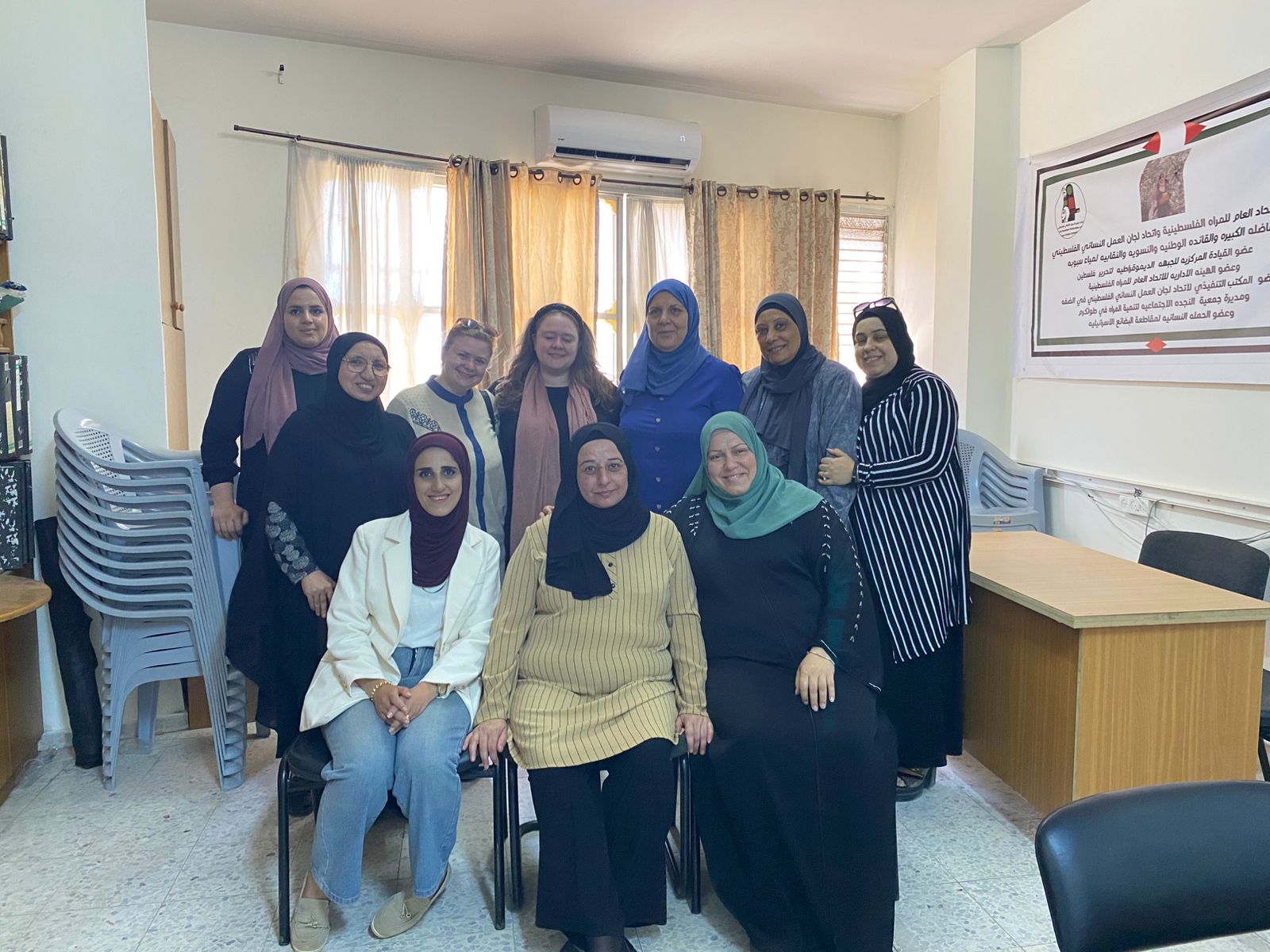
In October 2023, as Gaza faced relentless bombardment and the Northern West Bank came under intensifying assault, one of our founders reconnected with her former classmates in Nablus — now journalists, social workers, and nurses — who were watching people in their communities suffer while support from abroad failed to materialise on the ground.

That connection ran deep. A decade earlier she had spent a year at An-Najah National University in Nablus, building relationships and an understanding of these communities, the people already doing the work, and what that work needed but could not access.

So we decided to do something. In November 2023, we raised $11,500 through family and friends and reached 35 families in Nablus and Jenin. Today that network serves over 450 families across the Northern West Bank.

How we work

  • 01 Palestinian-led, always. We work exclusively with Palestinian-led organisations — no occupation or collaborator organisations.
  • 02 Decisions stay local. Who receives support and how it is delivered is decided by our partners on the ground, not by us.
  • 03 The communities others bypass. We work with working-class, Arabic-speaking communities — the people most aid organisations do not reach.
  • 04 Sustained, not episodic. What began as an emergency response grew into sustained solidarity with the communities we serve.
  • 05 Rooted since 2023. We have been on the ground since the beginning.

Programmes that nurture resilience,
shaped by the communities we serve.

Grocery Assistance Programme

G.A.P.

Grocery Assistance Programme

Fill the Gap

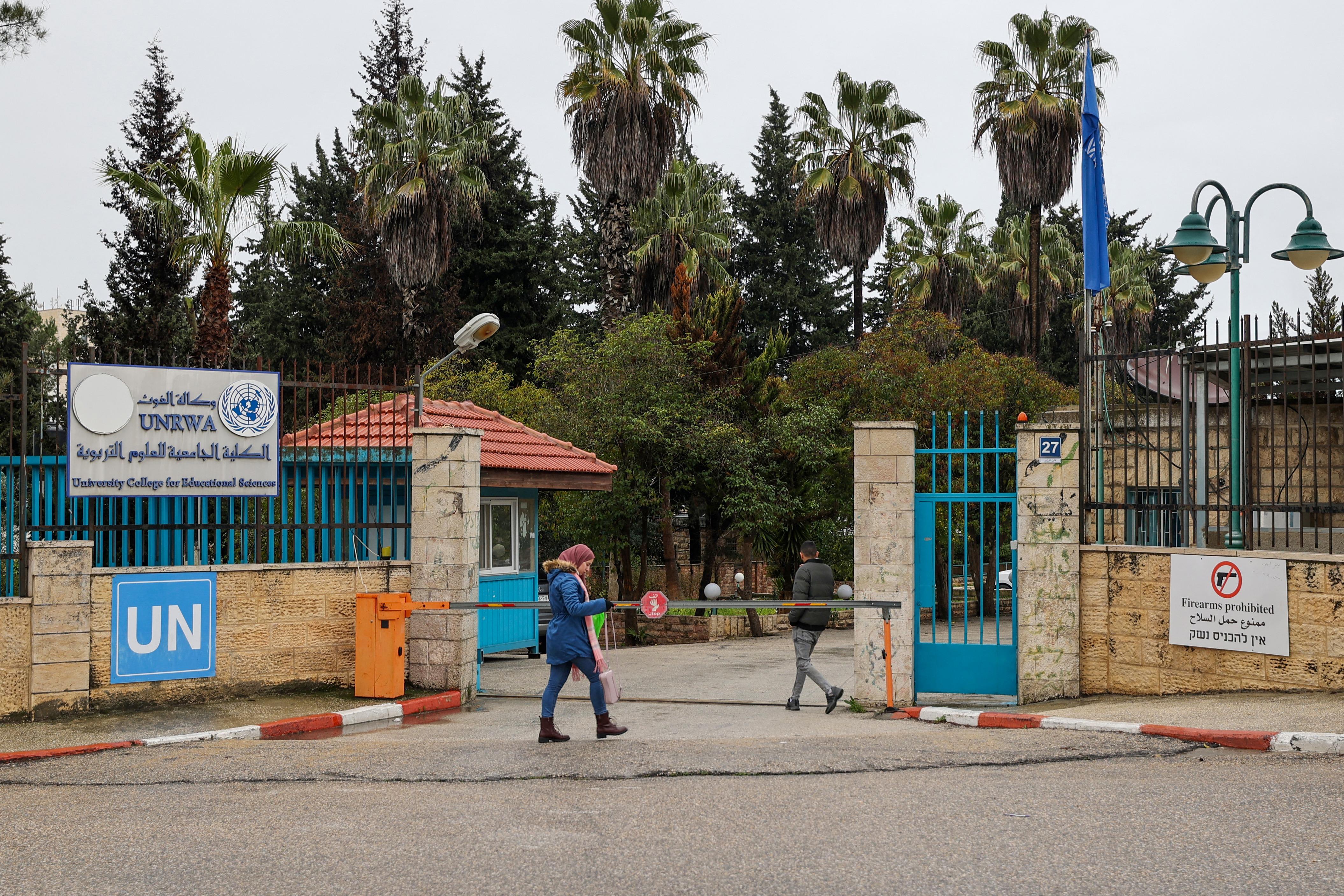
Since January 2025, over 40,000 Palestinians from the refugee camps of Tulkarem, Nur Al-Shams, and Jenin have been violently expelled from their homes. With UNRWA facing mounting restrictions and funding cuts, families in the Northern West Bank are being left behind.

A $300 monthly grocery credit, delivered through trusted local grocery stores and butchers in Tulkarem, Nablus, and Jenin. Families shop where their neighbours shop, choosing what they need, when they need it. No food boxes. No outside distribution. No waste.

  • Provides immediate food security while preserving dignity and the right to choose
  • Frees limited household income for rent, medicine, clothes, and education
  • Supports local businesses and the local economy
  • Reduces stigma and strengthens solidarity between displaced families and host communities

$3,600 per family, per year.
$60,000 a month supports 200 families consistently.

Higher Education Scholarship Programme

Scholarship

Higher Education Scholarship Programme


A maze of almost 1,000 military checkpoints and repeated army incursions have prevented students from reaching their universities and caused a sharp increase in unemployment. As families lose income, female students are disproportionately forced to suspend or abandon their studies.

Targeted, needs-based tuition assistance for female students unable to afford higher education or at risk of being forced to stop. We support students at Al-Quds Open University and An-Najah National University. We do not fund private universities.

  • Orphans and families where a parent or sibling is a martyr or deceased
  • Severe economic hardship, families with sick or injured members
  • Survivors of violence, former detainees, divorced women
  • Those directly impacted by the occupation

~$150 Arts & Humanities  ·  ~$200 Engineering
~$260 Medicine  ·  Year 1 goal: $50,000

From the ground.

450+ Families reached
4 Campaigns
$11,500 First campaign
$28,000 Most recent campaign

"They told me to celebrate — they'd gone to the market to buy a treat for their children for the holiday. They haven't been able to buy anything since the start of the War."

Layali  ·  Women's Studies Centre Social Worker, Nablus

"My daughter married a man from Gaza. Her entire family was killed — everyone except my five-year-old granddaughter. Being here with you all, it's the first time I haven't felt totally alone since I got the news."

Samar  ·  Resident of Jenin Camp, grandmother

"You all are the first people to come and offer any assistance. Tell the world — we just want to live like everyone else."

Nisreen  ·  Resident of Askar Camp, Nablus, mother of six

Every donation goes directly to the programme, including the costs that keep it running reliably, long term.

Community distribution

Where does your contribution go?

Distributed directly through our in-country partner networks. Families are identified through regular house visits by social workers, at-length discussions, and cross-checked lists, to ensure fairness and prevent favouritism.

We do not work with international intermediaries. We do not fund occupation-affiliated organisations. Every decision about who receives support and how it is delivered is made by Palestinian partners in the communities themselves.

We publish our numbers. We are accountable to the communities we serve.